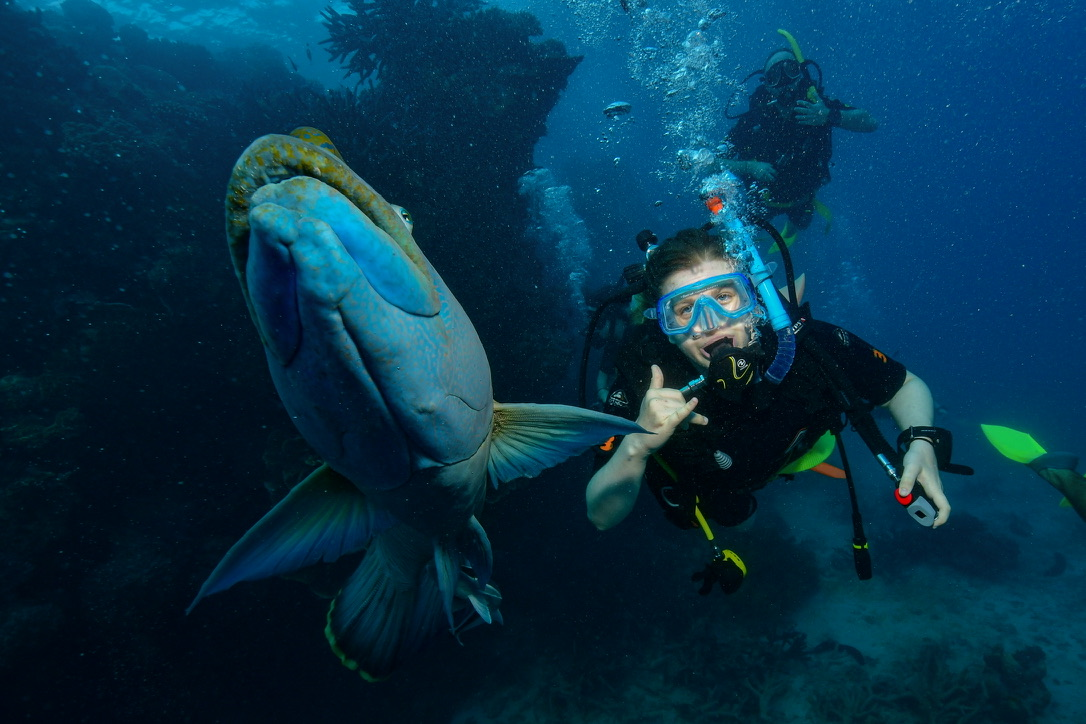

ILS senior El Simon returned to College Park this summer from an intensive year-long study abroad program in Queensland, Australia. An environmental science major and Geographic Information Science (GIS) minor, Simon quite literally dove into the heart of Australian ecosystems with courses that took her underwater on the Great Barrier Reef and into close encounters with venomous snakes, laying the groundwork for a career in environmental education.
Simon’s study abroad experience was made possible through the TEAN program by WorldStrides, a partnership that allowed her to earn University of Maryland credits while studying at the University of Queensland. She chose Australia not only for its global ecological importance but to immerse herself in active scientific research, quickly finding her place in a campus lab studying the behavior of coral reef fish. Assigned to work with the Picasso triggerfish, Simon investigated whether these fish possess object permanence, a skill linked to higher cognitive function in animals.
“I had never heard of triggerfish before, but they are common in Australia and known for their ability to recognize divers,” she said. “They will give a diver a little bite if they remember them.”
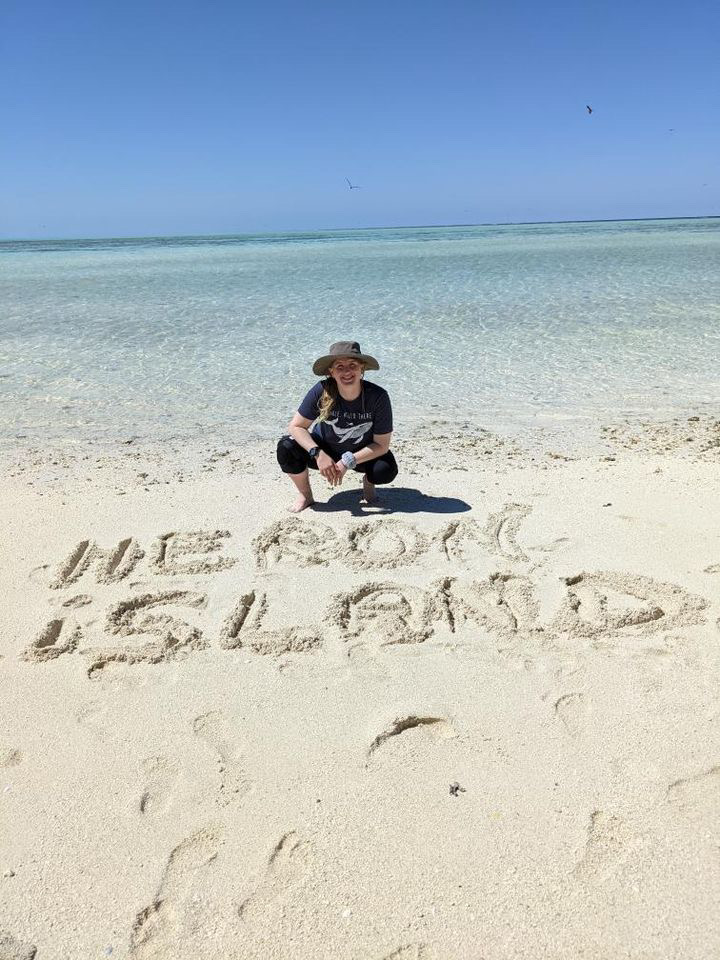
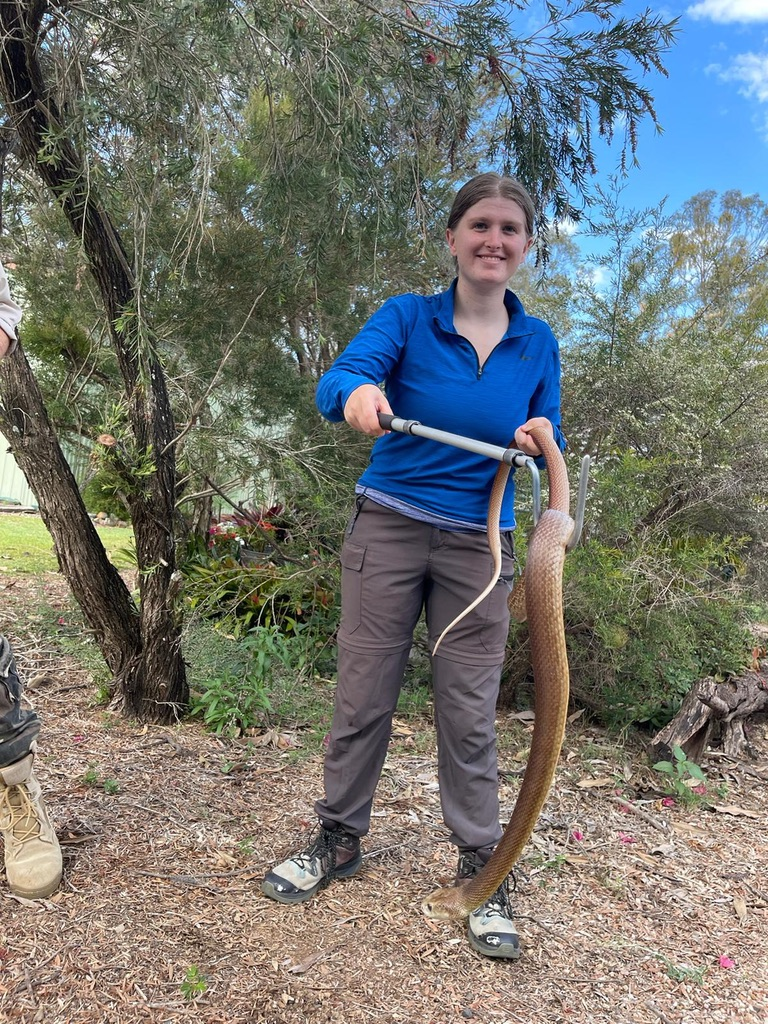
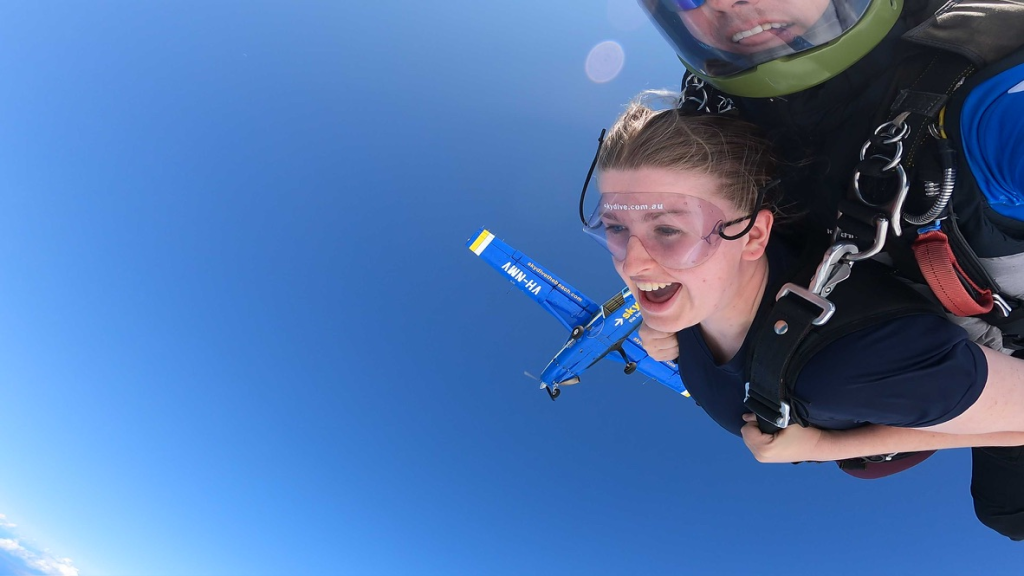
In addition to her research, two of her courses included hands-on research components at the Great Barrier Reef, where she found peace and calm in this diverse underwater ecosystem. She was also excited to take a wildlife club course to earn a certification in handling venomous snakes. “I love snakes,” she confessed, crediting her prior experience as an aquarium herpetology intern for giving her the confidence to try something many would avoid.
Now that she is back in College Park, Simon is working with a colleague back in Queensland to finish up the triggerfish research trials and plans to publish their findings soon. She is also working as a teaching assistant for the ILS program and has returned to the lab she worked in before studying abroad, researching emerald ash borers and the implications of this invasive species on the health of Maryland’s forests.
After graduation next spring, Simon plans to work in science education. She hopes to bring her science expertise into middle school classrooms—where, she says, early engagement with science makes a lifelong difference. She previously ran UMD’s FLAME club, which brings hands-on science education to local schools.
“I love to make science fun and accessible, and I’m committed to continuing this work with young students,” she said.
The Integrated Life Sciences (ILS) Program provides a holistic, accelerated curriculum for talented STEM students, combining rigorous coursework, research requirements, service-learning experiences, and a supportive living-learning community to prepare students for successful careers in research, medicine, and education. Learn more about the ILS program at ils.umd.edu.