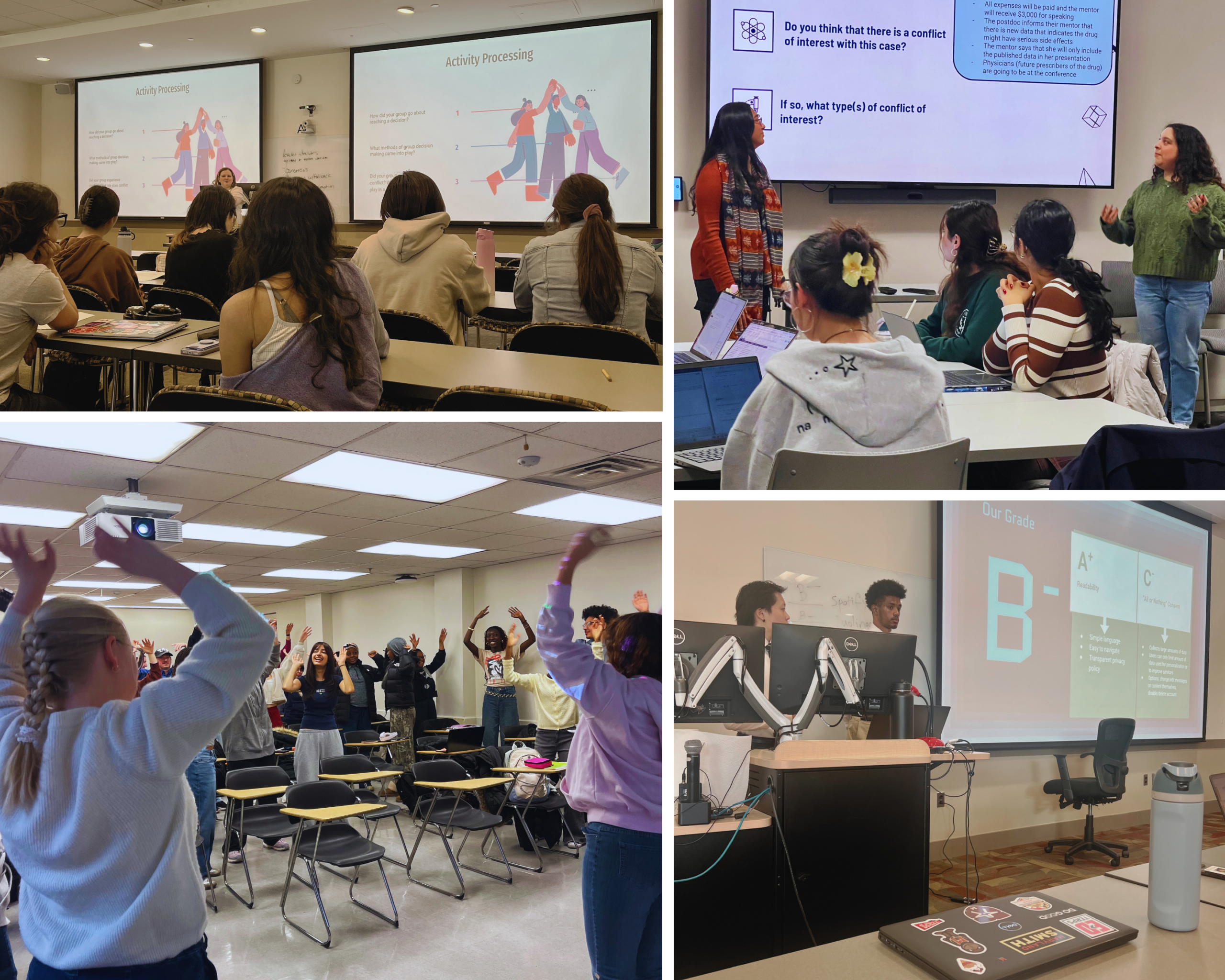

This semester, our comms team dropped into four very different Honors classrooms and found a common thread: whether students were debating medical ethics, analyzing privacy policies, exploring dance as resistance, or pushing the limits of building team consensus, they were practicing how to lead with curiosity, ethics, and impact.
HACS297: Cybersecurity Experience Reflection
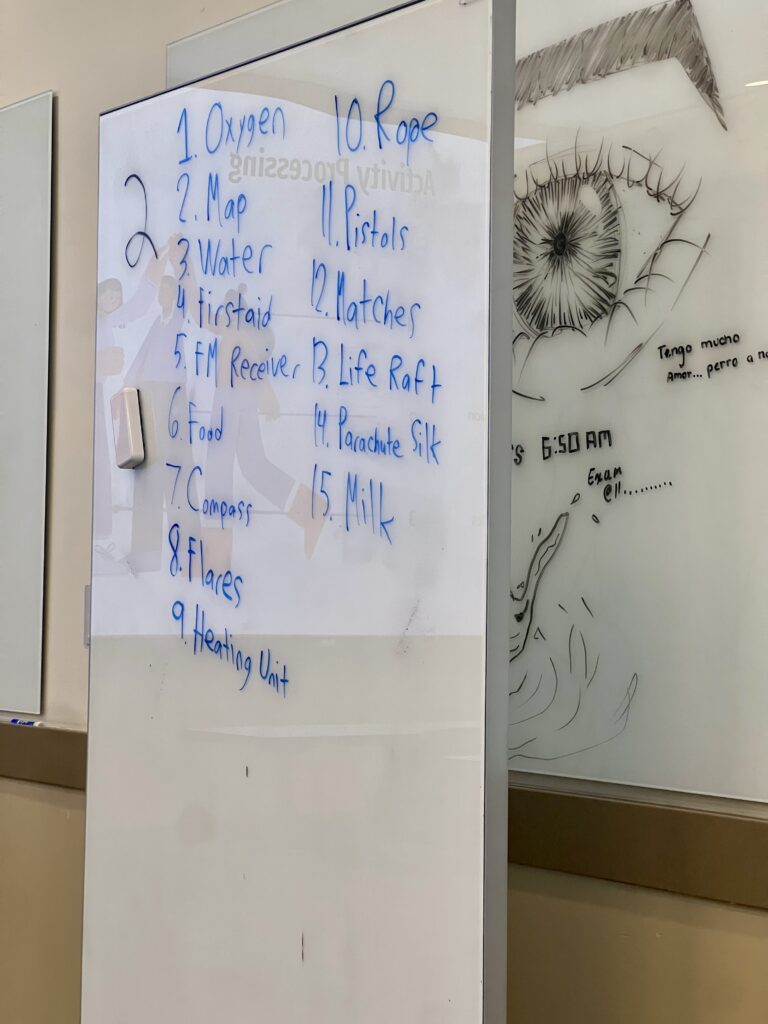
In ACES course HACS297, an internship experience course taught by instructor Sarah Herberger, the room felt more like a team strategy lab than a traditional class. Students started by naming what makes someone a strong teammate in a professional setting: listening, balancing confidence with humility, and making sure everyone’s expertise is heard and considered. To apply these ideas, they did the “NASA Survival on the Moon” exercise (created in 1970 by social psychologist Dr. Jay Hall at the University of Texas), where teams had to rank survival items like oxygen tanks, parachute silk, and signal flares to complete a hypothetical 200-mile trek across the lunar surface. Watching groups of students negotiate, test assumptions, and finally reach consensus was a good reminder that the bold idea one person keeps pitching (in this case, building a “space boat” with available supplies) might be less ridiculous than it may seem and might be exactly what the group needs once everyone has more information!
HLSC227: Topics in Scientific Integrity and Medical Ethics
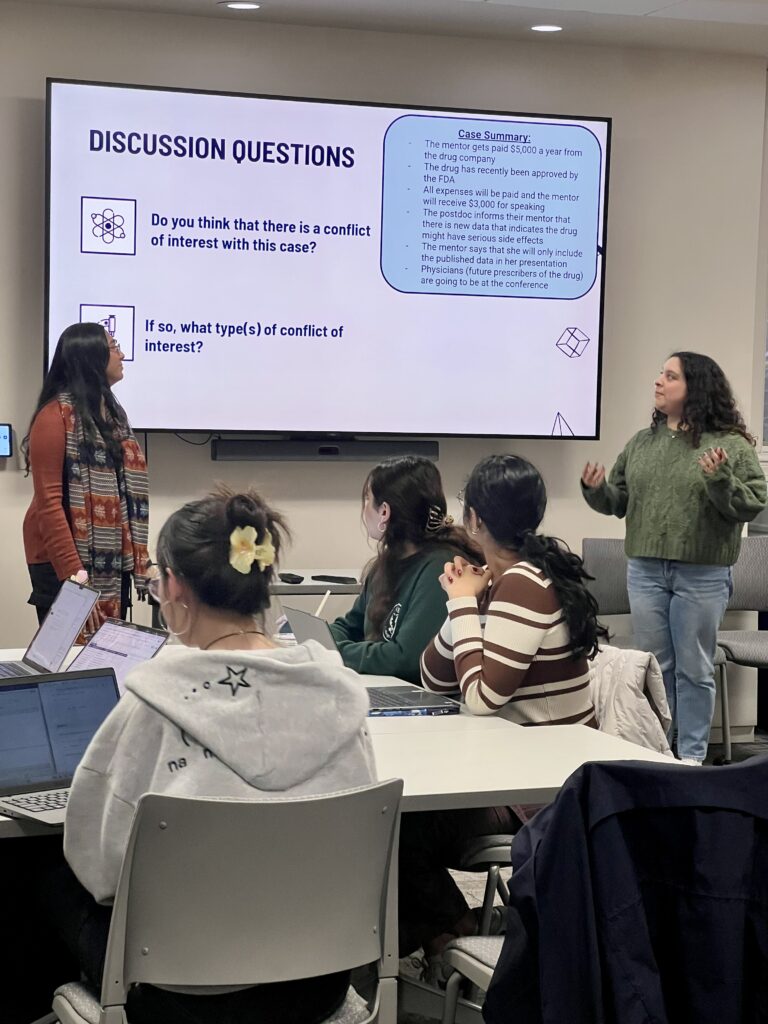
In the Integrated Life Sciences program’s HLSC227 Scientific Integrity and Medical Ethics course this semester, taught by Professor Najib El-Sayed and Dr. Sabrina Kramer, students were not handed neat ethical rules, but they were given a set of guidelines and questions to consider and debate. On the first day we visited, they worked through conflict of interest cases in biomedical research, debating what counts as a conflict, how transparent scientists should be, and how much the perception of bias can threaten public trust even when formal policies are followed.
Later in the semester, the cases got more complex, without a clear right answer about how to handle them. The second class we dropped into focused on the Radiolab “Playing God” episode, which follows triage decisions in crises from a Kosovo refugee camp to a New Orleans hospital during Hurricane Katrina and influenza care in a pandemic situation. Students debated questions like who should get a ventilator when there are not enough, whether it is ever acceptable to hasten death to relieve suffering, and how to balance “saving the most lives” against treating everyone equally. It became clear that future scientists and health professionals are expected not just to understand the science, but to actively shape a more just health system.
HHUM106: The Humanities in Practice
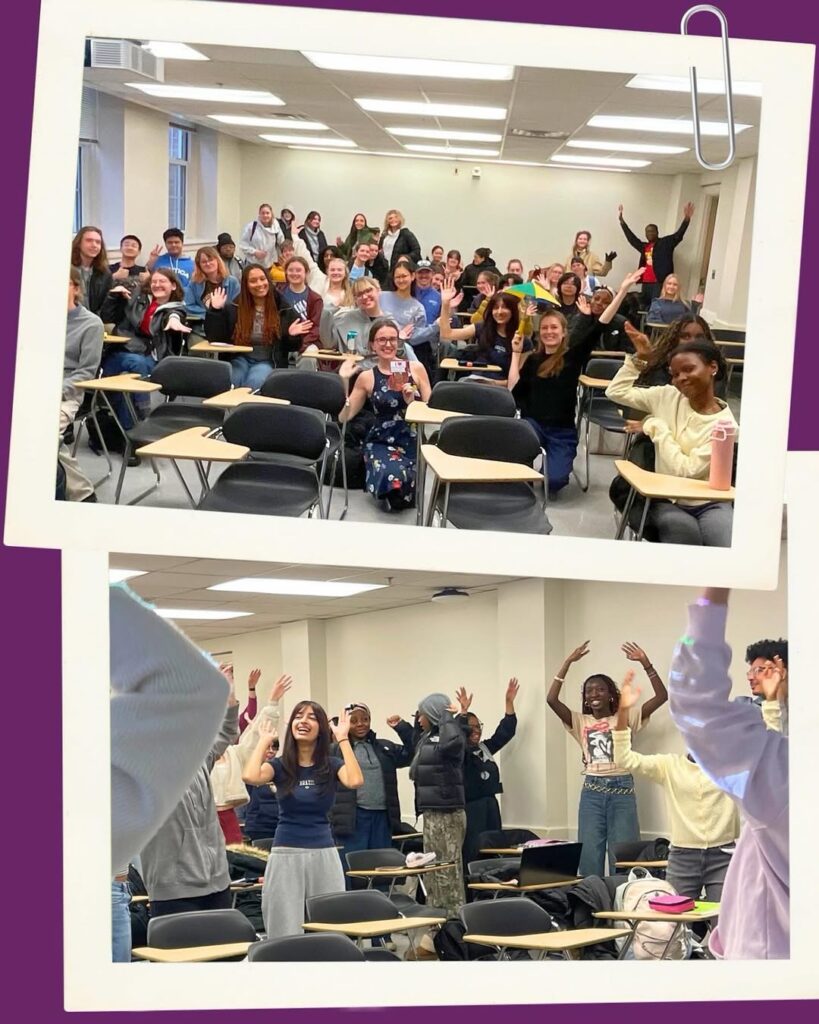
In Honors Humanities’ HHUM106, the classroom turned into a street carnival situation as guest instructor Dr. Kate Spanos introduced students to frevo, a fast-paced carnival dance from northeastern Brazil. Describing her research project on frevo as a “dance of resistance,” she explained how the explosive footwork and bright costumes in this dance form were created on the streets by carnival revelers who challenged social hierarchies and claimed public space for marginalized communities in post-emancipation Brazil. Students discussed how joy and celebration can also be forms of protest, and how the cultural arts keep stories of resistance and resilience alive across generations. Honors Humanities courses like this one connect culture, history, and lived experience to questions related to community empowerment and the public good.
HBUS105: The Future of Analysis
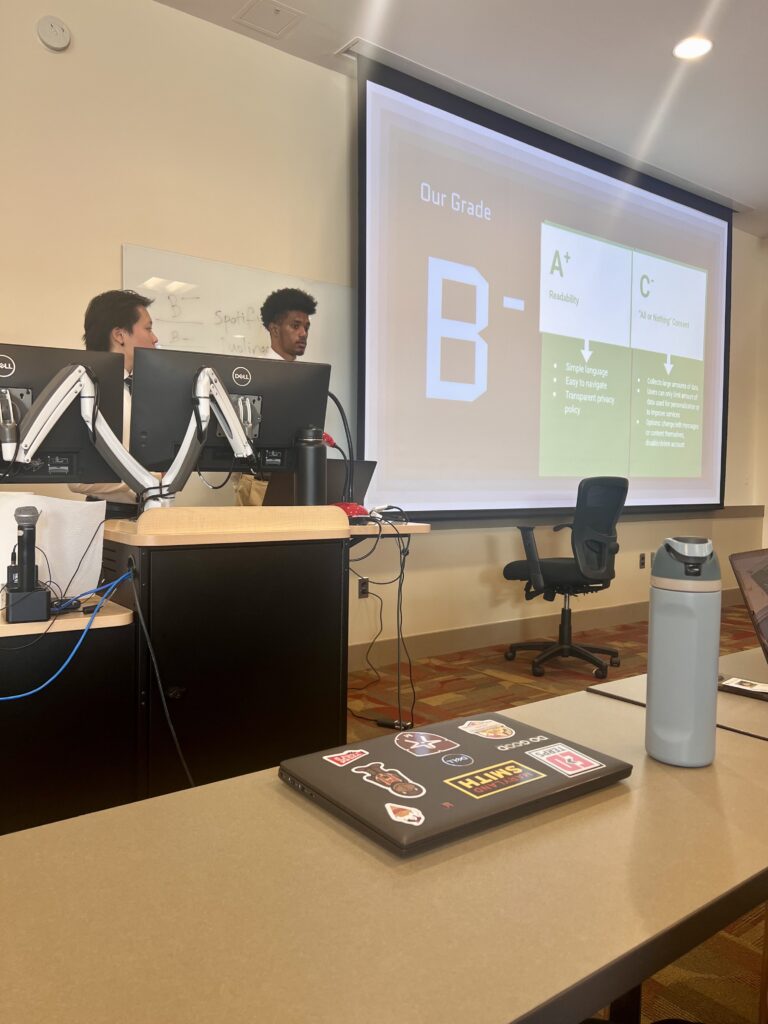
In Interdisciplinary Business Honors course HBUS105, taught by Professor Daniel McCarthy, students turned their analytical skills toward something they use all day, every day: apps. Working in small groups, they chose platforms like Spotify, Duolingo, Robinhood, and Discord, and built mini case studies focused on these apps’ privacy policies, consent flows, and data-use practices. They compared what users assume is happening to their data with what the fine print actually says, revealing some troublesome gaps in communication and design. Each team offered concrete recommendations to improve transparency and user control and assigned the app a final letter grade for privacy and data handling (FYI, no app received an A!). The presentations were an important reminder to look more closely at the apps we use all the time and consider all the ways they might be using (or misusing) our personal information.
Sitting in these four classrooms, the Honors College’s mission became clear: to prepare students to become ethical, informed, and engaged leaders who address grand challenges and advance the public good. Stay tuned for more from our “Honors Class Drop-in Series”—we’ll keep sharing these inside looks at the kinds of issues that Honors students and faculty are tackling from a variety of interdisciplinary perspectives.
—
The Honors College at UMD brings together high‑achieving, diverse students in a close-knit living–learning community where they work with dedicated faculty across programs to explore big interdisciplinary questions and make a real impact beyond campus. Grounded in the university’s public research mission, Honors challenges students to push the limits of their curiosity, develop leadership and collaboration skills, and use their talents in service of the public good.